 Intro price. Get comandfin.com for Big Sale upto 85% off.

What Are Student Loans?
Student loans are financial aids designed specifically to help students cover the cost of their education. These loans typically cover tuition fees, books, living expenses, and other related costs. Unlike scholarships or grants, student loans need to be repaid, often with interest, over a period of time.
Types of Student Loans
- Short-Term Loans:
- Cover immediate or smaller expenses, such as exam fees or semester tuition.
- Typically easier to process with minimal documentation.
- Long-Term Loans:
- Suitable for comprehensive education expenses over multiple years, such as full-degree programs.
- Often require co-applicants and detailed credit checks.
- Interest rate varies from 11 to 15%
Bureau Criteria
- CIBIL score should be 650 and above.
- Overdue should not exceed 5000.
- No written off or settlement in the last 12 months.
- No 90+ DPDs in the last 12 months.
Banks/NBFCs facilities
- Cream salaried with high income & bureau
- Traditional parameters only
- Tier A+ institutes only
- Mandatory Collateral Requirement
- Onerous paperwork, multiple visits, 30 - 60 days process if lucky
Key Features of Student Loans
- Flexible Eligibility: Available for undergraduate, postgraduate, or professional courses.
- Co-Applicants: Co-borrowers such as parents or relatives may be required to support the application.
- Customizable Repayment Plans: Varying repayment tenures based on post-graduation financial situation.
- No Collateral for Smaller Amounts: Many institutions do not require collateral for smaller loans.
Documents Typically Required
- For Students:
- KYC (PAN and Aadhaar).
- Mark sheets (10th, 12th, and last qualification).
- Admission letter.
- Any other proof requested during sanction.
- For Co-Borrowers:
- KYC (PAN and Aadhaar).
- Relationship proof.
- If Salaried: Latest 3 months pay slips and 6 months bank statement.
- If Self-employed: 12 months bank statement and last two ITRs.
- Other income proofs as discussed.
#StudentLoans #EducationFinance #FinancialAid #EmpowerEducation #HigherEducation #StudentSupport
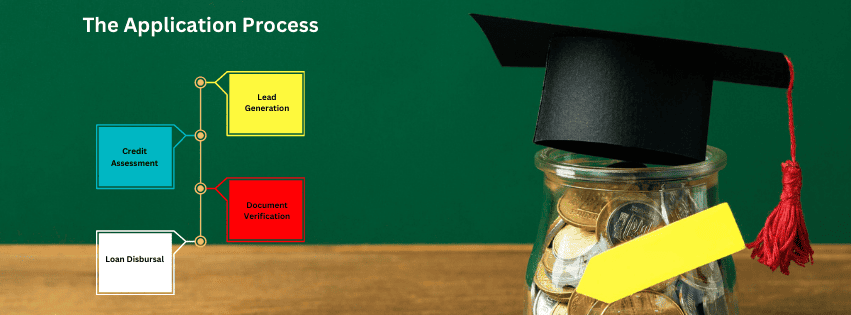
The Application Process
What is a Moratorium Period in Education?
Definition: A designated timeframe where borrowers are not required to repay the principal amount.
- No Principal Repayment: No requirement to repay the loan's principal.
- Interest Accrual: Interest may accumulate during this period.
- Duration: Usually covers course duration and an additional period post-graduation.
Features:
Example of Moratorium Period
A student takes a loan for a 4-year degree program with a moratorium period covering the course duration (4 years) and 12 months post-graduation. During these 5 years, principal repayment is not required, but interest may accrue.
Terms to Consider
Key Features
Drawbacks and Risks of Student Loans
Benefits of Student Loans
Tips for Managing Student Loans
Conclusion
Student loans are financial tools enabling dreams and ambitions. With careful consideration and management, they unlock immense opportunities. A disciplined repayment strategy can set the foundation for a prosperous future.